-
- Share:
-

-

-

-

Book royalties are a valuable source of income for authors if they have published and received payments through self-publishing platforms, digital marketplaces, and traditional publishers. Understanding how to file taxes on book royalty income is important to avoid filing errors, IRS notices, penalties, and deductions. However, many writers are unsure about how to report their royalty income on Form 1099-MISC, and the requirements vary significantly between passive royalty income and income earned through an active writing business. In this article, we will walk through reporting book royalties, choosing the correct tax forms, and maintaining compliance with the IRS requirements.
Table of Contents
What are Book Royalties?
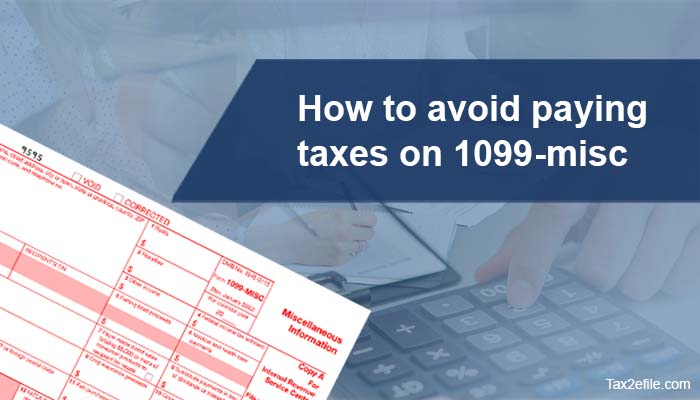
Book royalties are payments authors receive from publishers based on a set percentage of book sales. You may receive royalty income from printed book sales, e-book sales, audiobook sales, foreign publishing rights, licensing rights, subscription platforms, or adaptation rights for other media forms like television and films. Any royalty income received greater than $10 should be reported in Box 2 of Form 1099-MISC. However, if you hold an operating oil, gas, or mineral interest or are in business as a self-employed writer, inventor, artist, etc., report your income and expenses on Schedule C (Form 1040).
Book Royalties: Which Applies, Schedule E or Schedule C
Book royalties are generally reported on Schedule C (profit or loss from business), which applies to professional and self-published authors regularly with the intent of making a profit. In contrast, royalties are usually reported on Schedule E (supplemental income and loss), which is considered passive income without actively creating, promoting, or managing them. The details of both schedules define the level of your activity, intent to make a profit, and the IRS definitions.
Schedule C (Profit or Loss from Business)
Schedule C is applicable if you write regularly, market your books, engage in an ongoing trade or business, and intend to make a profit. If this is an active business income, you must pay 15.3% on net earnings. This form allows you to deduct all ordinary and necessary business expenses on the schedule directly.
Schedule E (Supplemental Income and Loss)
Schedule E applies if you are not in the trade or business of writing and don’t have to pay self-employment tax because your income is passive. You can claim deductions directly against your royalty income rather than as business expenses.
Tax-Deductible Expenses for Authors
Tax-deductible expenses for authors are ordinary and necessary costs essential to operating a writing and publishing business. The following categories define the expenses for writing business expenses.
- Production and Publishing: Amount paid to editors, proofreaders, formatters, cover artists, copyright registration, printing, assembling, purchasing, and distributing your books.
- Digital and Office: Digital software tool subscriptions for writing platforms, accounting software, grammar checkers, stock image libraries, domain registration, website hosting, and internet usage for business. Office supplies, including paper, pens, printers, ink, and filing materials, and hardware components used directly for writing, such as printers, keyboards, microphones, and computers.
- Marketing and Education: Service fees for running website ads, social media campaigns, reviews, and promotional materials; costs for attending book fairs, literary festivals, and research trips. In addition, subscriptions to writing magazines, writing organization memberships, and workshops or classes related to their research.
- Maintaining a separate business account for your writing activities is highly recommended to track your business expenses accurately.
Typical Mistakes in Royalties Reporting by Authors
Authors who must report their royalty income typically miscalculate rates across different book formats (audiobooks and e-books), mischaracterize their earnings, and misunderstand publisher deductions (returns or high-discount sales). By avoiding this list of common mistakes, you can accurately report your royalty income and, if you deserve, claim a refund.
- Most authors treat book royalties as passive income instead of self-employed business income.
- Royalties differ drastically when using a single rate for your audiobooks and e-books, resulting in inflated revenue expectations. It is crucial to monitor discrepancies between your statement and your contract definitions.
- Due to unsold physical books, publishers may hold back a percentage of royalties, which authors fail to check.
- Royalty rates tend to be lower for books sold in bulk or at wholesale.
- Due to a lack of data tracking and auditing, many authors don’t review their sales figures and suspicious statement figures across different editions and territories.
Best Practices for Authors
Authors must maintain financial transparency and accurate records to track across all platforms, formats, and sales. Follow these practices to stay compliant and stress-free.
- Open a dedicated bank account to track all writing income and business-related expenses, to avoid mixing with personal spending.
- Maintain a consolidated database of all contracts, licensing agreements, and revenue sources, with platforms like KDP, IngramSpark, or hybrid publisher portals, and allow document writing expenses (home office use, marketing, research materials, and agent fees) to reduce your taxable income.
- Confirm the math across multiple copies sold through hardcover, paperback, digital, and audio editions, and be aware of adjustments for discounted sales, returns, or foreign sub rights that alter your typical royalty rates.
- Authors must use an IRS-authorized tax software application like Tax2efile to file Form 1099, avoid paying twice on the same earnings, and maintain a profit/loss spreadsheet to report their income.
Book royalties provide long-term financial benefits, but it is essential to manage your taxes as an author. With proper knowledge of passive income and business income, you can build an effective tax strategy, file tax forms correctly, and maintain accurate records for both compliance and financial growth. This blog allows authors to focus on writing and publishing their books by ensuring that income is reported accurately and efficiently using an IRS-authorized tax-filing application, Tax2efile.
FAQs
Which tax form is used to report book royalties?
Book royalties are usually reported in Box 2 of Form 1099-MISC on your tax return.
Do authors report book royalties on Schedule C or Schedule E?
Depending upon the nature of your writing and publishing as a business, authors report royalties on Schedule C, where passive royalty income is reported on Schedule E.
What happens if royalties are reported incorrectly?
Incorrect reporting of royalty income may result in additional taxes, interest charges, IRS notices, and penalties.
What is the threshold for royalty reporting?
For individuals, the threshold for royalty reporting is $10.
Are e-book and audiobook royalties taxed differently from print book royalties?
No, royalties earned from e-books, audiobooks, and print books are generally treated the same for federal tax purposes and must be reported as taxable income.